FREE DESIGNLET'S GET STARTED ON YOUR PROJECT
Kendall offers a vast choice of cold rooms, refrigeration equipment and accessories. Whatever your application, whatever your budget, and whatever size and shape for your needs.
Supply One-Stop Cold Room Solution Since 1999-Call Us Now: +86 18516660562

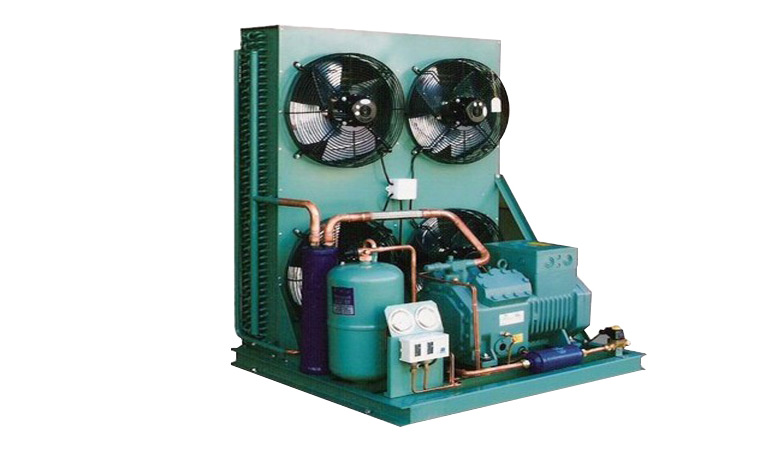
Heat exchange efficiency is crucial for optimizing energy use in air-cooled piston condensing units. Understanding how heat exchange works can alleviate pain points such as energy waste, performance issues, and increased operational costs. This article will explore key aspects, including factors influencing efficiency, the significance of heat exchange efficiency, and practical steps to improve it. We aim to inform manufacturers and buyers about maximizing their investments.
Heat exchange efficiency is vital in air-cooled piston condensing units, impacting not just the units\' performance but also energy consumption and sustainability. Let\'s delve deeper into understanding this concept.
Heat exchange efficiency refers to how effectively a heat exchanger transfers heat between two fluids without mixing them. In air-cooled piston condensing units, this efficiency is essential for maintaining optimal performance.
Several factors influence the heat exchange efficiency in air-cooled piston condensing units:
The temperature of the air surrounding the condensing unit can change efficiency. Higher ambient temperatures reduce the unit\'s effectiveness.
Inadequate airflow can significantly impede heat transfer, leading to lower efficiency.
The design and material of the heat exchanger play a critical role in performance. Efficient designs allow for better airflow and heat transfer.
Regular maintenance, such as cleaning and checking for leaks, is essential for sustaining high efficiency.
The type of refrigerant used can also affect the efficiency levels of a condensing unit.
Understanding heat exchange efficiency is vital for multiple reasons:
Several strategies can be employed to improve heat exchange efficiency:
Ensure there’s sufficient airflow around the condenser by clearing any obstructions and using high-efficiency fans.
Establish a regular maintenance schedule to keep the unit clean and in good condition.
Consider using newer, more efficient refrigerants that provide better heat transfer performance.
Investing in modern, high-efficiency models can yield better results compared to older units.
Properly insulate lines and equipment to prevent heat loss, which can enhance overall efficiency.
Real-world examples illustrate the impact of enhanced heat exchange efficiency:
| Company | Before Efficiency Upgrade | After Efficiency Upgrade | Annual Savings |
|---|---|---|---|
| Company A | 2000 kWh | 1500 kWh | $500 |
| Company B | 2500 kWh | 1750 kWh | $750 |
Understanding and improving heat exchange efficiency in air-cooled piston condensing units is essential for manufacturers and buyers alike. By focusing on key factors and strategies, significant improvements in efficiency, cost savings, and environmental impacts can be realized. Investing in knowledge and action regarding this topic can lead to enhanced operational performance and sustainability.
For additional insights and information on this topic, visit Kendall’s resources and explore our product offerings at  Kendall Brand" style="width:100%; height:auto;">
Kendall offers a vast choice of cold rooms, refrigeration equipment and accessories. Whatever your application, whatever your budget, and whatever size and shape for your needs.
By subscribing to our mailing list you will always be update with the latest news from us
We never spam!
Copyright ©Kendall Cold Chain System Co., Ltd. All Rights Reserved | Sitemap | Privacy | Cookie Policy